
The Higher Ed HR Network for UK
Search 21 jobs

Latest HR Jobs
Director of People and Organisational Development





HR Manager [Secondment Cover] (Internal Applicants Only)

HR Reporting and Information Analyst (Fixed Term)


Latest Research Grants in UK
View All GrantsAwards to Canada, Israel, and International Female Entrepreneurs for Innovative Projects
Grants to Canada and International Researchers for Training and Career Development in the Area of ALS Research
Grants to USA, Canada, and International Entities to Address the Implications of AI
Fellowships to USA and International Arts Professionals and Scholars for Study and Research Trips
Grants to USA, Canada, and International Entities for Translational SCI Research
Grant to a USA, Canada, or International Entity for Research on Combat-Related Eye Injuries
Trending HR News

Campus Housing as a Faculty Recruitment Perk | AcademicJobs
Photo by WS Chae on Unsplash

HEPI Demographic Decline and UK International Student Recruitment | AcademicJobs
Photo by Vadim Sherbakov on Unsplash

HEPI Report on Predatory Recruitment and Demographic Decline | AcademicJobs
Photo by Simon Chen on Unsplash

Direct International Recruitment Exposed to Policy Shocks | UK HE News
Photo by Metin Ozer on Unsplash

Peer-to-Peer Recruitment Higher Ed | Academic Connect | AcademicJobs
Photo by Zulfugar Karimov on Unsplash

Labour Migration Curbs Ease? UK Uni Recruitment Boost | AcademicJobs
Photo by Qingqing Cai on Unsplash

UK Visa Crackdown: Half Universities Flagged | Recruitment Risks
Photo by Ethan Wilkinson on Unsplash
Sponsor an Article… Reach Higher Ed
See Sponsored Post PackagesExpert Academics Wanted… Become an Author
Create Your First Article Today📋 Understanding HR Jobs in United Kingdom Higher Education
The higher education landscape in the United Kingdom is renowned for its world-class universities and research institutes, employing hundreds of thousands of staff across academic, research, and support functions. HR jobs in United Kingdom higher education and research institutes play a pivotal role in this ecosystem. These positions ensure smooth operations by handling recruitment, employee development, compliance with employment laws, and fostering a positive workplace culture. With over 250 higher education providers educating 2.8 million students as of 2023, the demand for skilled HR professionals remains strong, particularly in research-intensive institutions like those in the Russell Group.
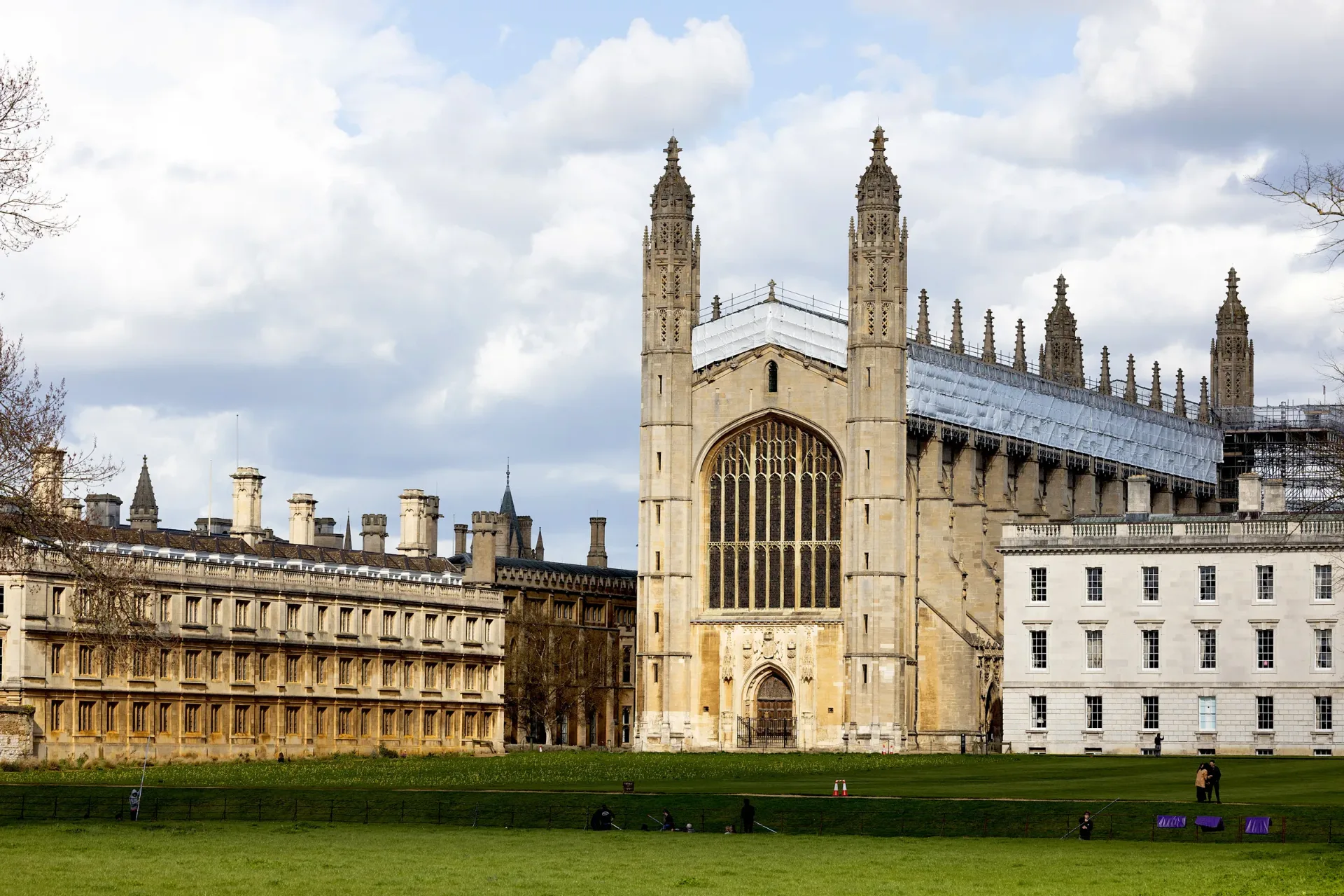
HR professionals in this sector navigate unique challenges, such as recruiting international talent under visa regulations, managing fixed-term academic contracts, and aligning with sector-wide initiatives on equality. Whether at historic institutions like the University of Cambridge or modern research hubs like the Francis Crick Institute, HR jobs in United Kingdom universities support a diverse workforce that drives innovation and knowledge advancement.
Key Definitions
To fully grasp HR jobs in United Kingdom higher education, it's helpful to define core terms. Human Resources (HR) refers to the department responsible for managing people within an organisation, covering recruitment, training, performance management, and employee wellbeing. In academia, HR often specialises in public sector employment practices.
- CIPD (Chartered Institute of Personnel and Development): The leading professional body for HR and people development in the UK, offering qualifications from Level 3 to 7 that validate expertise.
- Athena SWAN: A charter award recognising gender equality efforts in science, engineering, and academia, administered by Advance HE.
- Russell Group: A self-selected association of 24 leading UK universities committed to maintaining high research standards, such as Imperial College London and UCL (University College London).
- Universities Superannuation Scheme (USS): The primary pension scheme for most UK higher education staff, providing defined benefits.
- EDI (Equality, Diversity, and Inclusion): Strategies to ensure fair representation and opportunities for underrepresented groups in hiring and promotion.
🎓 Requirements for HR Jobs in UK Higher Education and Research
Securing HR jobs in United Kingdom higher education requires a blend of formal qualifications, specialised expertise, and practical experience. While a PhD is rare for HR roles—unlike academic positions—academic qualifications are essential.
Required Academic Qualifications
Most entry-level HR positions demand a bachelor's degree in human resources, business management, psychology, or a related field. Advanced roles typically require postgraduate qualifications, particularly membership or fellowship of the CIPD at Level 5 (Intermediate) or Level 7 (Advanced). For senior positions like HR Director in research institutes, an MSc in Human Resource Management is common.
HR Focus or Expertise Needed
Expertise in higher education-specific areas is crucial, including UK employment law (e.g., TUPE regulations for transfers), visa sponsorship under the Skilled Worker route, and collective bargaining with unions like UCU (University and College Union). Knowledge of research funding bodies such as UKRI (UK Research and Innovation) helps in talent planning for grant-funded projects.
Preferred Experience
Employers favour 3-5 years of HR experience, ideally in public or not-for-profit sectors. Examples include managing academic recruitment cycles, handling disciplinaries, or leading change management during restructures. Publications or grants are less relevant, but experience with HR metrics, such as staff turnover rates below 10% in top universities, stands out.
Skills and Competencies
Core competencies include:
- Stakeholder engagement with academics, vice-chancellors, and trade unions.
- Data-driven decision-making using HR Information Systems (HRIS) like CoreHR.
- Conflict resolution in high-stakes environments, such as research contract disputes.
- Strategic workforce planning to address skills gaps in emerging fields like AI ethics.
- Digital proficiency for e-recruitment platforms.
📄 Application Process and Tips for HR Jobs in the UK
The application process for HR jobs in United Kingdom higher education is structured and competitive. Most vacancies are advertised on dedicated platforms like jobs.ac.uk or individual university career sites. Here's a step-by-step guide:
- Research the Institution: Review the university's strategic plan and recent HR reports. For instance, the University of Edinburgh emphasises sustainability in its HR practices.
- Tailor Your Application: Submit a CV (2 pages max) and a supporting statement addressing each essential criterion from the job description. Use the STAR method (Situation, Task, Action, Result) for examples.
- Prepare for Assessments: Expect online situational judgement tests, especially for CIPD-aligned roles.
- Interview Stages: Typically two rounds: competency-based with HR peers, followed by a presentation to senior leaders on topics like 'Retaining International Talent Post-Brexit'.
- Follow Up: Send thank-you emails referencing discussions.
Actionable tips: Highlight experience with university job types, network via CIPD events, and use free resume templates for formatting. Avoid generic applications; reference specific challenges like the 2023 HE staff strikes.
🌈 Diversity and Inclusion Initiatives in UK Academia
HR jobs in United Kingdom higher education are at the forefront of diversity efforts. Institutions must comply with the Equality Act 2010 and pursue charters for excellence. Key examples include:
- Athena SWAN: Over 160 universities hold awards; HR leads bronze-to-gold progression, as at the University of Manchester, which achieved gold in 2022 for gender balance in STEM.
- Race Equality Charter: 35 members like Queen Mary University of London track ethnic minority progression via HR dashboards.
- Stonewall Workplace Equality Index: Top 100 employers include many unis, with HR implementing allyship training.
- Disability Confident: Level 2+ schemes ensure accessible recruitment.
HR professionals design inclusive policies, such as blind shortlisting and mentoring for BAME (Black, Asian, and Minority Ethnic) staff, addressing underrepresentation where only 15% of professors are women (2023 HESA data).
⚖️ Work-Life Balance and Campus Life for HR Professionals
One of the appeals of HR jobs in United Kingdom research institutes is the enviable work-life balance. Standard contracts feature 35-37.5 hour weeks, with 30-35 days annual leave plus bank holidays. Flexible and hybrid working is widespread post-2020, allowing HR staff to blend office and home-based days.
Campus life enhances this: Many universities offer subsidised gym memberships, childcare nurseries, and staff dining. Pensions via USS guarantee retirement security, with employer contributions up to 21.6% in 2024. Events like summer balls and research showcases foster community. At places like the Wellcome Sanger Institute, HR benefits from collaborative environments with cutting-edge facilities, though peak periods like enrolment demand overtime.
Challenges include emotional labour from employee support cases, but wellness programmes—mindfulness apps, EAP (Employee Assistance Programmes)—mitigate burnout.
💼 Common HR Roles and Career Progression
HR jobs in United Kingdom higher education span various levels. Entry roles like HR Advisor handle queries and onboarding. Mid-level HR Business Partners advise faculties on resourcing, while Heads of HR oversee department-wide strategies. For more on types of positions available, explore detailed breakdowns.
Career paths lead to executive roles, with salaries rising from £32,000 for advisors to £80,000+ for directors at elite institutions (2023 Times Higher Education).
🔮 Challenges, Opportunities, and Future Outlook
The sector faces financial pressures from declining international fees and funding shifts, pushing HR to optimise via automation. Opportunities abound in digital HR transformation and net-zero initiatives. With 8% staff vacancies in 2023 (HESA), skilled professionals are sought after.
Check higher education news for trends or university rankings to target top employers.
Summary: Pursue Your HR Career in UK Higher Education
HR jobs in United Kingdom higher education offer rewarding careers blending people management with academic impact. Explore openings on higher-ed-jobs, seek advice via higher-ed career advice, browse university-jobs, or connect with employers through post-a-job features on AcademicJobs.com. Start your journey today in this dynamic field.
Why is Academic Jobs the place to find HR Jobs in UK?
HR jobs in UK higher education are not generic recruiter ads. Universities hire HR business partners, faculty relations specialists, talent acquisition partners who understand academic search, EDI leads, and payroll/HRIS roles tied to enterprise agreements. Academic Jobs filters this page to Human Resources so you land on those campus roles instead of every HR generalist post in the region.
The heading count is how many HR jobs are open in UK on AJ right now. Use Advanced Search to add a city, an institution, or a keyword (academic promotions, industrial relations, organisational development). Neighbouring pages that share candidates: Admin Jobs for broader staff leadership, and Executive Jobs when a chief people officer search is tagged at the executive level.
Why this board: academic HR posts are often only on the university site and a local higher-ed feed. If you only watch LinkedIn, you will miss grade-and-title conventions (HEO, PSO, professional staff level) that tell you whether the role is a fit. AJ keeps the HR job type selected, shows the employer, and lets you alert on the same filters. That is how you catch a faculty HR partner role before the panel is locked.
Search intent is “HR jobs at universities in UK” — people who want the sector, the calendar, and the stakeholder mix (deans, unions, researchers), not a retail HRBP. Read each listing for whether you will support academic appointment processes or professional staff only. Then apply from the listing. AJ is the shortest path from that question to a current, filterable list.
Frequently Asked Questions
💼What are HR jobs in United Kingdom higher education?
🎓What qualifications are needed for HR roles in UK universities?
📝How does the application process work for HR jobs in UK academia?
🛠️What skills are essential for HR professionals in UK research institutes?
🌍What diversity initiatives impact HR jobs in the UK?
⚖️What is work-life balance like for HR staff in UK universities?
💰What salary can I expect for HR jobs in United Kingdom higher ed?
🎤How do I prepare for HR interviews in UK academia?
⚠️What are common challenges in UK higher education HR?
🔍Where to find HR job listings in UK research institutes?
📜What is CIPD and why is it important for UK HR jobs?
Human Resource Jobs by State in United Kingdom (65 States & Districts)
Page 1 of 4 (65 states/districts total)
Top Human Resource Hubs (Cities)
Page 1 of 10 (195 cities total)